
Investment Opportunities 2026
Capital markets weather geopolitical risks
Raiffeisen Capital Management grows by 6.1% to EUR 46.7 billion in 2025
New investment opportunities in Croatia’s growing market
Infrastructure investments as the backbone of transformation
As of the end of December 2025, the fund company’s assets under management stood at EUR 46.7 billion (+6.1% year-on-year), thus weathering the global geopolitical challenges of the past year. Institutional client business, in particular, has grown strongly year-on-year. However, retail client business also continued to expand. In Central and Eastern Europe, a record result was even achieved in 2025. Investment priorities focused on infrastructure, high-tech and artificial intelligence, renewable energies, dividends, and income funds.
“This very encouraging development shows that investment funds thrive in a challenging environment and are a sought-after investment product. Current events in Iran also demonstrate that these investments have so far withstood geopolitical crises,” said CEO Hannes Cizek.
Across the entire RBI Group, assets under management rose to EUR 68 billion in 2025 (+6.4%). These assets also include the fund volume held by Raiffeisen in Croatia, namely EUR 8.0 billion. “Croatia is an important part of the Raiffeisen universe, but when it comes to fund investment, and in particular fund savings, especially when compared with Slovakia or the Czech Republic, there is still significant potential that we aim to tap into over the coming years. We have observed that our clients still exhibit a very pronounced aversion to risk. With our specialized equity and multi-asset funds, we offer a range of products designed to encourage greater risk-taking,” so Hannes Cizek.
Capital Markets Remain Constructive
“The base-case scenario for the markets currently assumes a limited regional escalation, without any sustained disruption to global supply chains. Accordingly, the capital markets have so far reacted with relative calm, with isolated risk premiums, particularly in the energy sector. However, a prolonged or escalating conflict represents a risk that should not be underestimated. In particular, a further significant rise in oil prices could increase inflationary pressure and limit the scope for action available to central banks. At present, the equity markets are surprisingly resilient, whilst by comparison the bond markets are reacting much more sensitively to day-to-day political changes,” said the CEO.
Market observers identify further risks such as concentration and valuation risk (the “AI bubble”), followed by a resurgence of inflation and a weak labor market. High valuations, particularly in the AI sector, harbor the potential for disappointment. “Against this backdrop, thematic allocations, regional differentiation, and conscious diversification are becoming even more important. Artificial intelligence, emerging markets, infrastructure investments, and a possible European comeback form the central pillars of the 2026 capital market strategy,” said CEO Hannes Cizek.
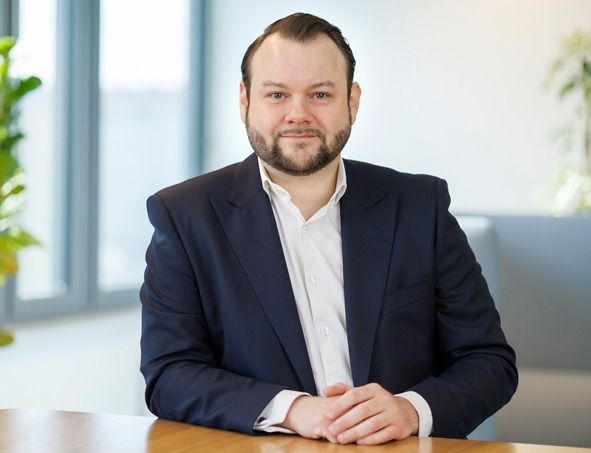
"Artificial intelligence, emerging markets, infrastructure investments, and a possible European comeback form the central pillars of the 2026 capital market strategy,” said CEO Hannes Cizek.
Croatians with Access to a Wide Range of Specialised Funds
Vesna Tomljenovic, Country Head for Croatia and Head of the Raiffeisen Capital Management branch in Zagreb, is delighted with the now much broader range of funds available to Croatian investors: “Croatians can now benefit from a highly specialized range of funds with a diverse sectoral and geographical focus – including investments in technology, healthcare, infrastructure, ETFs, telecommunications, finance, consumer goods, and commodities. They have access to equity, bond, and mixed funds that invest in both developed markets such as the US and Europe, as well as emerging markets. Furthermore, Raiffeisen Capital Management is a leader in the field of ESG (Environmental, Social, and Governance) investments, enabling investments in socially responsible projects and companies. Our local clients benefit from the expertise of international fund managers with many years’ experience in analyzing global investment trends. The range extends from conservative funds with low volatility to dynamic equity funds for long-term capital growth,” says Vesna Tomljenovic.
Improving Financial Literacy Among Croatians
Vesna Tomljenovic sees improving financial literacy in Croatia as a key priority: “In Croatia, financial literacy often does not match the substantial capital people have at their disposal, which is mainly held in property and cash in their accounts. Many confuse investing in shares with gambling and do not distinguish between speculation and long-term investment. A large proportion of the Croatian population keeps their money in current accounts with negligible interest rates and is unaware that inflation erodes part of their purchasing power every year,” says Vesna Tomljenovic. Few people know that in Croatia, returns on shares or funds are completely tax-free after a two-year holding period. “This is a major advantage over other forms of retirement provision. Yet people often invest in whatever their neighbor succeeded with ten years ago – usually a seaside flat. They fail to see the maintenance costs of such an investment and ignore promising investment trends,” says the financial expert.
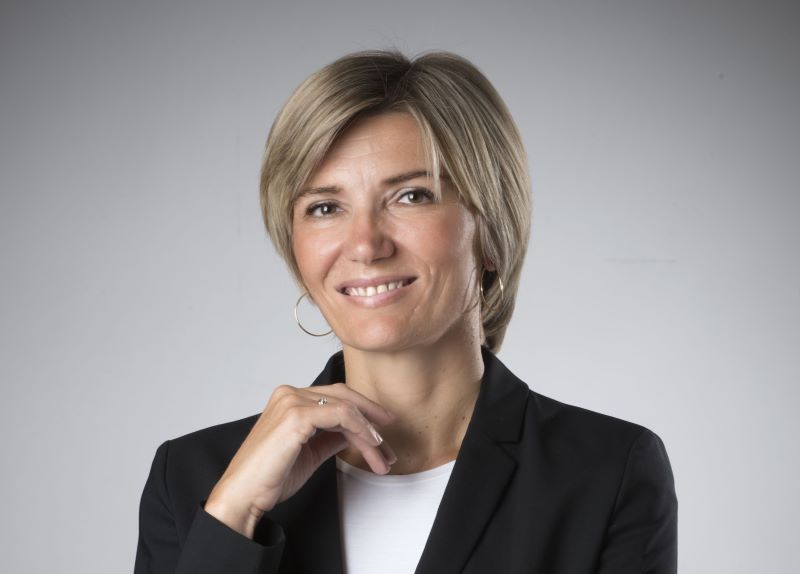
"Few people know that in Croatia, returns on shares or funds are completely tax-free after a two-year holding period."
Improving Financial Literacy Among Croatians
Identifying such investment trends in a constantly changing environment is one of the most important tasks of an asset manager. The world is in a state of constant flux, and capital market investments must hold their own in a changing environment. This flux encompasses geopolitical shifts and threats, climate change and the associated digital transformation, as well as economic policy disruptions. Migration crises and pandemics also have far-reaching effects on the global economy and society. “To strengthen economic and social sustainability and resilience, the fund industry must play an active role in shaping these challenges,” says Stefan Grünwald, Head of Future Transformation Topics, Sustainability Office at Raiffeisen Capital Management. “Sustainability and resilience are at the forefront of this. Thematic investments, active management, holistic thinking and assessments, as well as the management of volatility and rapid change, are crucial factors for operating successfully as an asset manager in this dynamic environment,” Grünwald is convinced.
Infrastructure investments, he says, form the backbone of the transformation. This involves securing supply chains and raw materials to ensure the stability and continuity of production. At the same time, driving forward digitalization brings companies greater efficiency and innovative strength. The restructuring and expansion of energy self-sufficiency to promote sustainable and independent energy sources are also essential, as the war in Iran is currently making clear. Targeted technological development and the establishment of long-term guidelines will lay the foundations for future progress. These measures aim to boost the economy’s innovative strength and competitiveness, says Grünwald.
“Given the need for public funding and the higher interest rate environment, it is essential to make strategic investments to achieve the aforementioned goals and secure a stable economic future. The transformation of infrastructure offers a significant investment opportunity that can serve to increase efficiency and act as an economic driver,” Grünwald is convinced.
Global investment needs are high – particularly in Europe and the US – and the funding gap amounts to around 15 trillion US dollars by 2040. In addition to new construction projects in areas such as energy networks, digitalization, and transport, the focus is also on the maintenance, renewal, and renovation of existing infrastructure. “In times of tight budgets, financing issues are of crucial importance. It is necessary to clarify a sensible division of roles between the state and the private sector in the financing and implementation of infrastructure projects. Long-term guidelines from the state are essential here to ensure stable and sustainable development,” Grünwald urges policymakers.
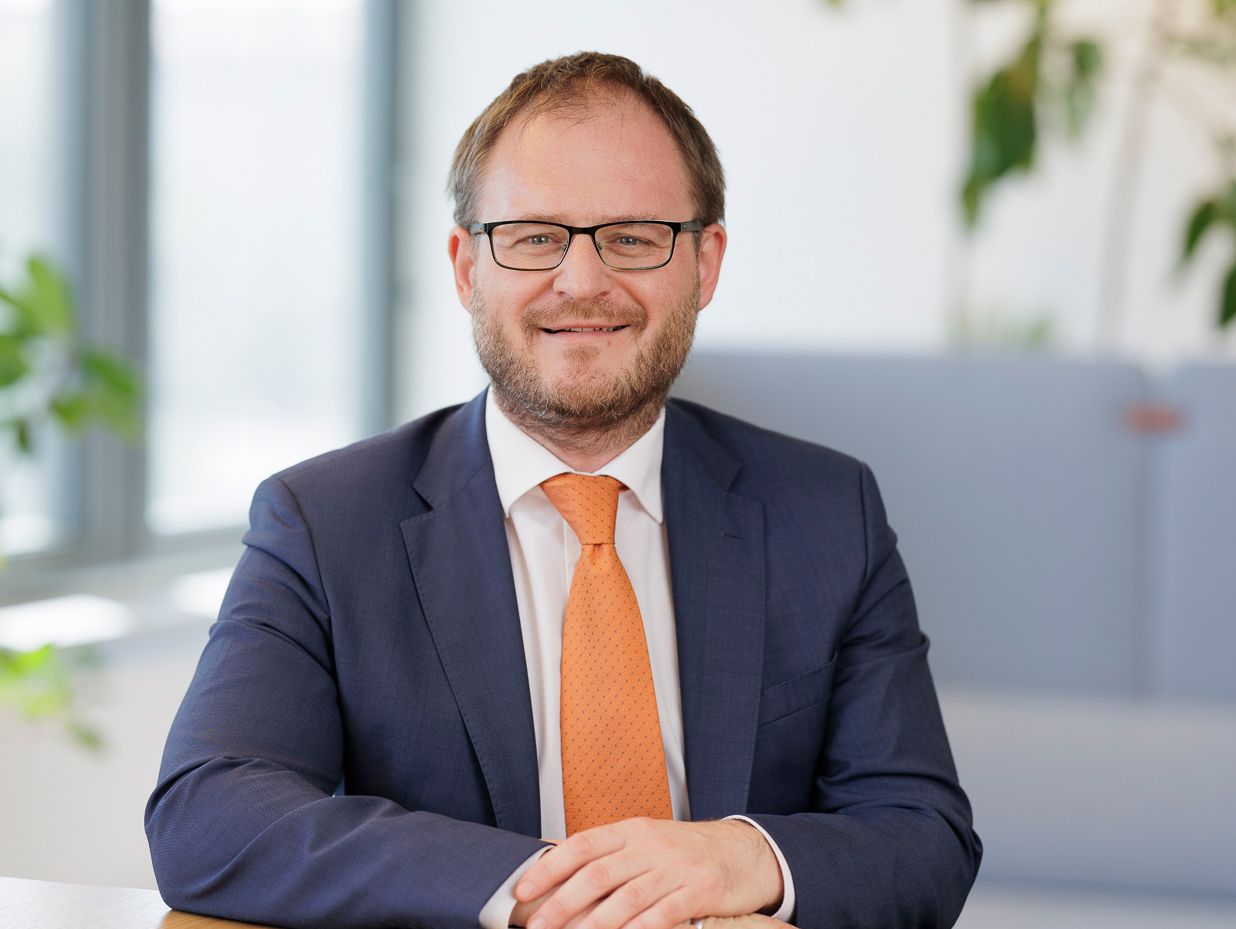
"Infrastructure investments form the backbone of the transformation."
For further information please contact:
[email protected] (+385 91 2480 247)
Pia Oberhauser (+43 1 711 70-4704)
Raiffeisen Capital Management is a European asset manager. With currently €44.4 billion in assets under management (as at the end of January 2025), the company is the largest fund company within the RBI Group. Raiffeisen Capital Management is represented in important European markets and is repeatedly recognized by rating agencies and business media for the high quality of its funds. The fund company is a founding member of the Raiffeisen Sustainability Initiative.